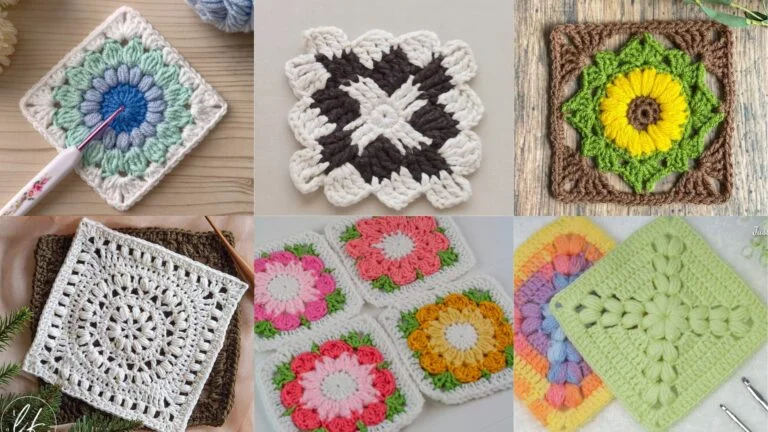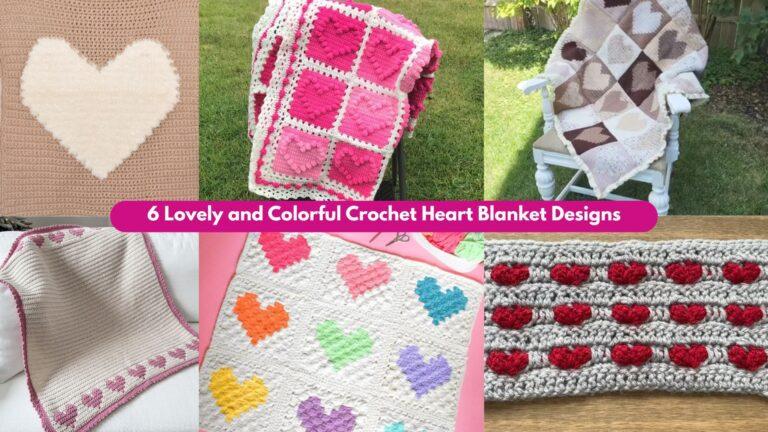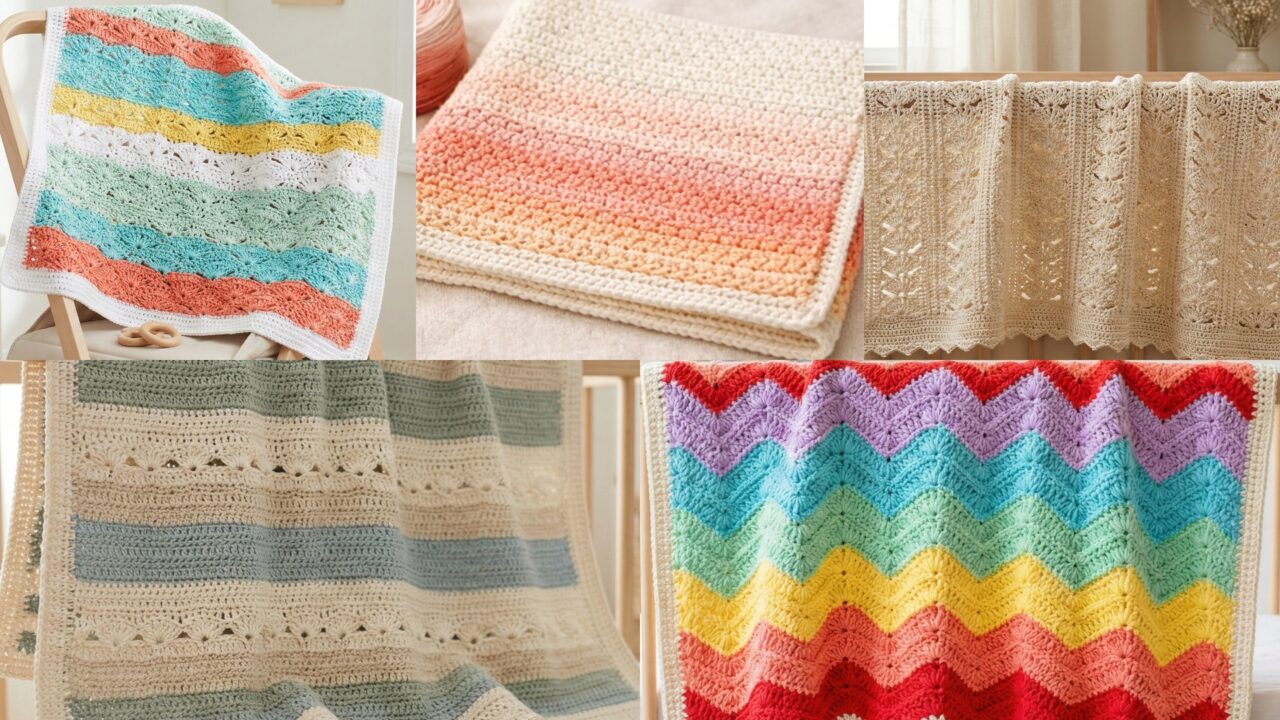
Baby blankets are the kind of handmade gift that everyone keeps: practical, comforting, and full of love. Below you’ll find a warm introduction covering yarn choices, safety, sizing, and gauge math, then seven full baby-blanket patterns with materials, skill level, step-by-step construction, finishing tips, variations, and care instructions. Each pattern is written so you (or your readers) can follow along, customize size and color, and end up with a washable, snuggly blanket.
Quick primer — yarn, safety, sizing, and gauge math
Yarn choices (what to use and why)
- Baby-safe cotton / cotton-blend (DK or sport): breathable, machine washable, and gentle — great for summer or sensitive skin.
- Superwash wool / wool blends: warm and soft; superwash versions can be machine-washed (check label). Avoid 100% wool for babies with known sensitivities.
- Acrylic / acrylic blends: easy-care and affordable; modern acrylics are soft and hypoallergenic.
- Bamboo & bamboo blends: silky, drapey, and cooling — beautiful for heirloom pieces.
Look for labels that say “machine washable” and “hypoallergenic” when making a gift for a newborn.
Hook size & tools
- Typical blanket yarn/hook combos: fingering/sport: 3.0–3.75 mm; DK: 3.75–4.5 mm; worsted: 5.0–6.0 mm.
- You’ll also need a tapestry needle, stitch markers, measuring tape, blocking pins or mat, and a yarn needle for weaving in ends.
Baby blanket sizes (common)
- Receiving/crib blanket: 30″ × 40″ (76 cm × 102 cm)
- Stroller/car seat blanket: 24″ × 36″ (61 cm × 91 cm)
- Changing pad / small lap blanket: 20″ × 24″ (51 cm × 61 cm)
All patterns below give a sample finished size and how to scale up or down.
Safety note
- Avoid embellishments that can be pulled off easily (big buttons, loose beads) for infants. If adding adornments, make them sewn-on and reinforced; better yet, decorative items for older babies only.
- Choose yarn that is machine-washable and free of harsh dyes.
Quick gauge math — an example (digit-by-digit)
Always make a 4″ (10 cm) swatch in the stitch pattern and blocked the way you will finish the blanket. Then calculate stitches needed for your target width.
Example: swatch = 18 sts = 4″. You want a finished width of 30″.
- Compute stitches per inch: 18 ÷ 4 = ?
- 18 ÷ 4 = 4.5 sts per inch.
- Multiply by desired width: 4.5 × 30 = ?
- 4.5 × 30 = 4.5 × (3 × 10) = (4.5 × 3) × 10 = 13.5 × 10 = 135 stitches.
- If your stitch pattern requires a multiple (for example, multiples of 3 + 2), round 135 to nearest valid number. If pattern needs multiple of 3, 135 ÷ 3 = 45 → no change needed.
Keep that number in mind when starting the foundation chain or foundation rows.
1. Crochet Lightweight Cotton Throw Baby Blanket Pattern
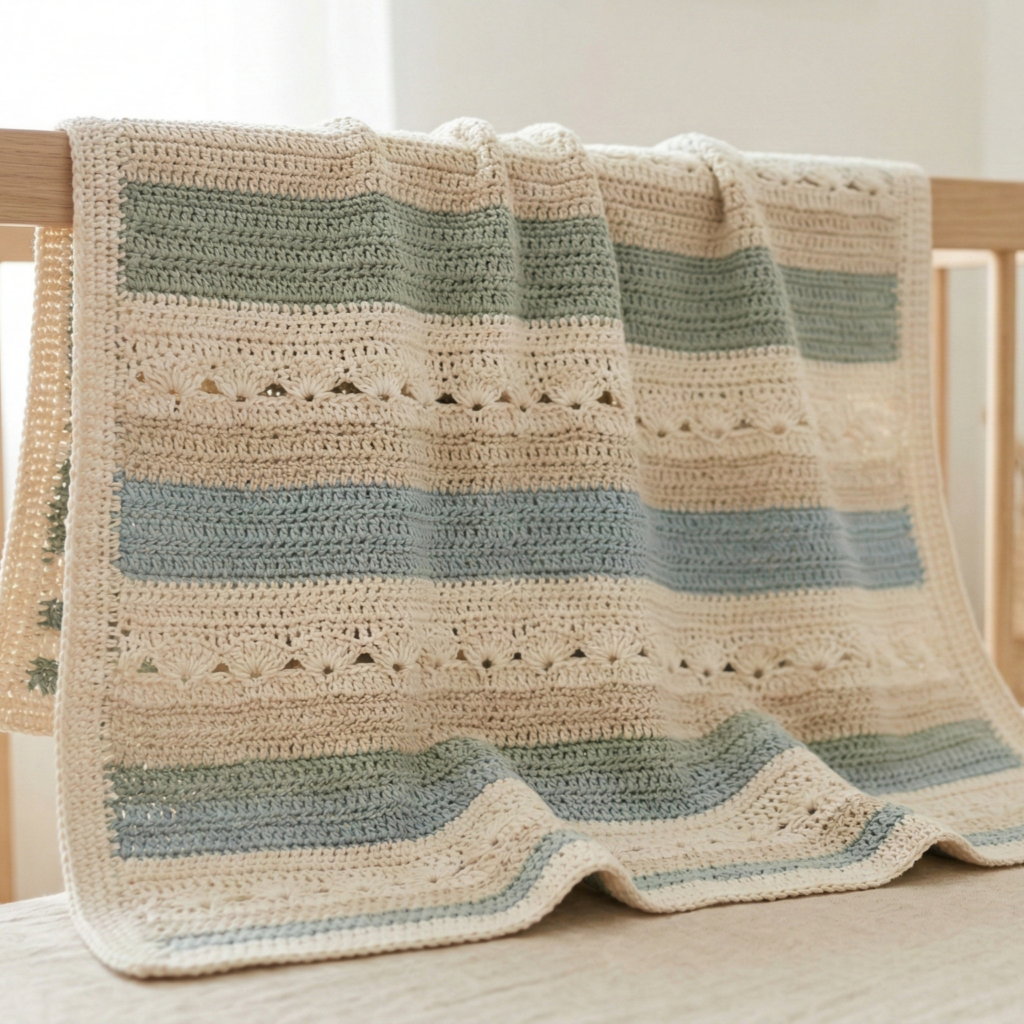
A breathable, soft cotton throw that works year-round — crisp stitch definition and easy care.
Skill level: confident beginner
Finished size (sample): 30″ × 40″ (receiving blanket)
Yarn & hook: DK cotton, ~900–1,200 yd; 4.0 mm hook (adjust by your gauge)
Stitch palette
sc, hdc, dc, alternating bands — simple blocks combine for texture and airflow.
Materials
- DK cotton, ~900–1,200 yd depending on size and border.
- 4.0 mm hook, tapestry needle, blocking mat.
Construction overview
Worked in rows (flat), alternating textured bands to keep the blanket light and drapey. A firm sc border stabilizes edges and makes finishing neat.
Step-by-step
- Swatch & foundation chain
- Make a 4″ swatch in the chosen stitch repeat and measure stitches per inch. Use the gauge math above to determine foundation chain. Example from primer: you need 135 stitches for 30″ width.
- Base row
- Ch 136 (135 sts + 1 turning ch, or use a foundation chain method). Row 1: sc in 2nd ch from hook and across — 135 sc. Turn.
- Textured band pattern (example)
- Rows 2–6: hdc across (creates soft band).
- Rows 7–8: row of dc shells: skip 1 st, 5 dc in next st, skip 1, sc across to create airy shells.
- Rows 9–12: sc rows to stabilize.
- Repeat this 12-row band until blanket height is ~38–39″ leaving space for a border (target final height 40″).
- Border
- After final row, work a 1″ sc border all around: turn work to the side, ch1, sc evenly along side, add sc across returning row, sc up other side, and finish with sc round along top edge. For a neat corner, work (sc, ch1, sc) in each corner stitch. For a scalloped decorative edge, replace final sc round with a shell round: sc 2, 5 dc in next, sc 2 around.
- Finishing
- Weave in ends. Lightly wet-block to even shells and open the texture. Lay flat to dry.
Variations
- Make stripes by changing color every 6–8 rows.
- Add a corner appliqué (small star or heart) worked separately and sewn on (avoid small pieces for young infants).
Care
Machine wash cold gentle, tumble dry low or flat dry to maintain cotton shape.
2. Crochet Shell Stitch Baby Blanket Pattern
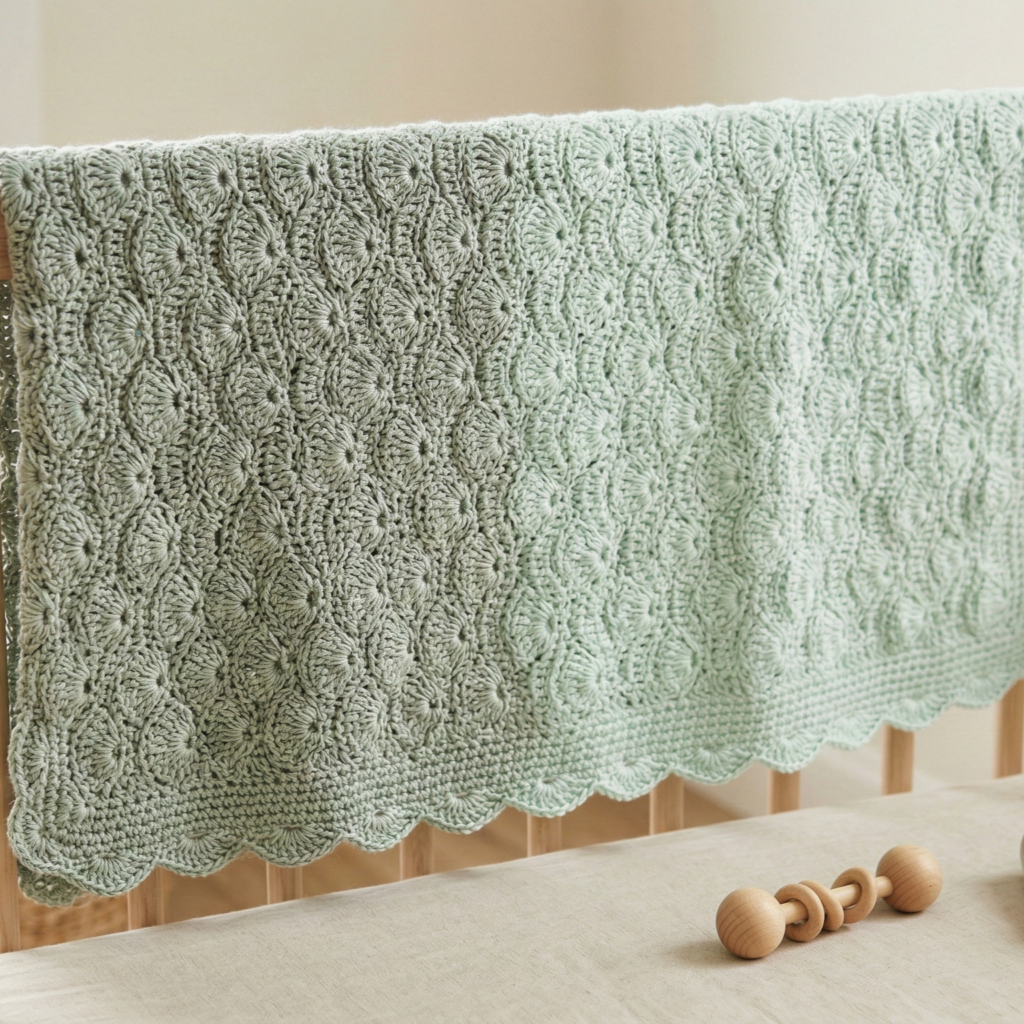
A classic, gorgeous shell-stitch blanket with deep texture that’s still soft and light.
Skill level: intermediate (pattern repeats)
Finished size (sample): 30″ × 36″ (stroller/receiving)
Yarn & hook: Superwash DK or acrylic-bamboo blend, ~800–1,100 yd; 4.0 mm hook
Stitch palette
shell (5 dc in one stitch), sc, ch stitches for spacing.
Materials
- ~800–1,100 yd yarn, 4.0 mm hook, tapestry needle.
Construction overview
Worked in rows with a repeating shell pattern. The shell creates a scalloped texture that’s visually beautiful and comfy.
Step-by-step
- Swatch & foundation chain
- Shell stitch usually works on a multiple of 6 + 1. Decide blanket width and follow gauge to compute chain. Example: if gauge = 4 sc = 1″ and you want 30″ width, compute stitches as in primer then round to the nearest multiple of 6 and add 1.
- Foundation chain
- Chain foundation: multiple of 6 + 1. Example if you need 135 stitches: 135 ÷ 6 = 22 remainder 3, so nearest multiple of 6 is 132 + 1 = 133 (multiple 22 × 6 = 132 plus 1). Chain 133.
- Row 1 (setup)
- sc in 2nd ch from hook and across. Turn.
- Shell pattern row
- Row 2: skip 2, 5 dc in next st (shell made), skip 2, sc in next st; repeat across ending with sc. This places shells separated by sc posts. Turn.
- Row 3
- ch3 (counts as dc), in first sc make 2 dc, skip shell, sc in next sc; skip shell, in sc make 5 dc (shell) repeat. Continue pattern so shells stack and the sc posts line up. Work until blanket reaches desired length.
- Edging
- Finish with 2–3 rows of sc and then a scalloped edge: sc, skip 1, 5 dc in next, skip 1, sc along the sides and ends. This mirrors shell motif.
- Finishing
- Weave ends and block the blanket, carefully pinning shells for even scallops.
Variations
- Use a pastel ombré yarn to let the color shift emphasize the shells.
- Make a between-shell mesh row (ch1 mesh) for more openness in summer blankets.
Care
Machine wash gentle; reshape while damp.
3. Crochet Summer Stripes Baby Blanket Pattern
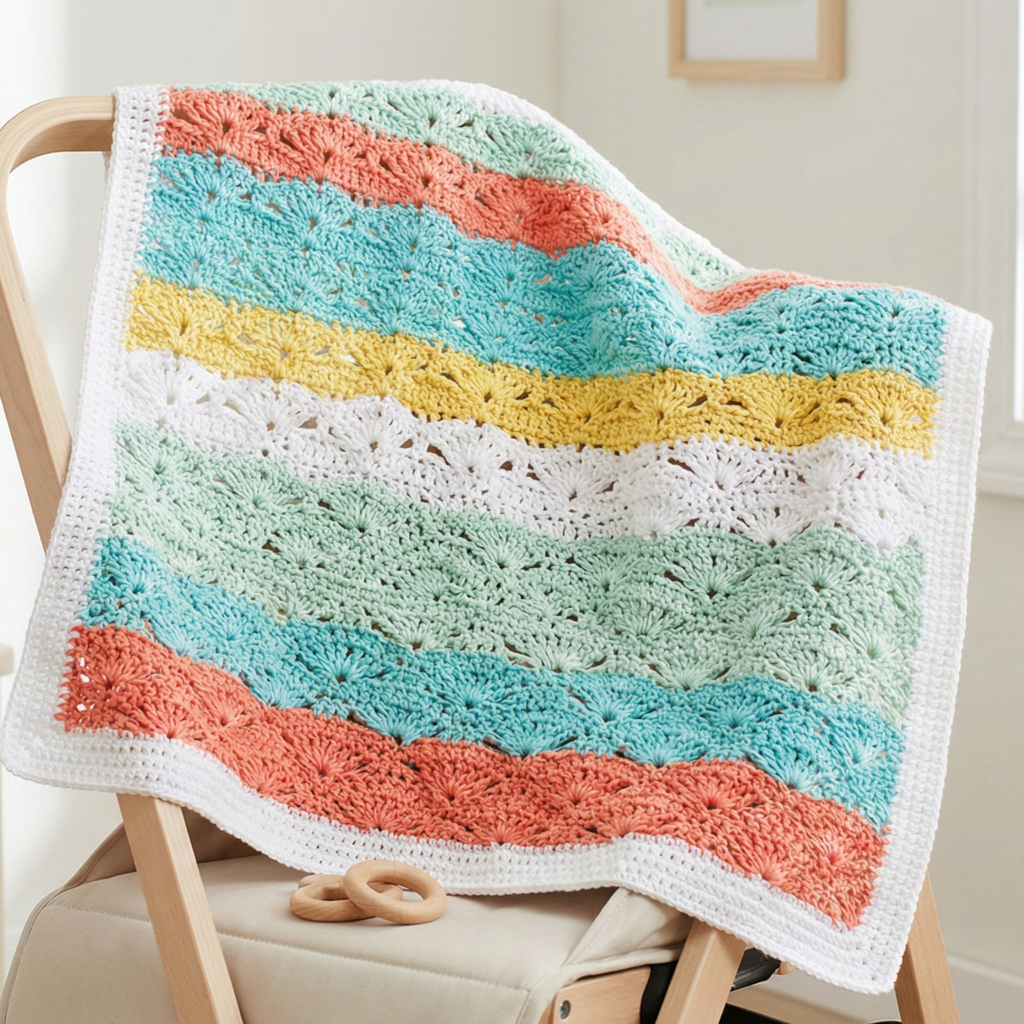
Bright, cheerful stripes in a light stitch — quick to make and easy to scale.
Skill level: confident beginner
Finished size (sample): 28″ × 36″ (stroller)
Yarn & hook: Sport or DK cotton blends, ~700–900 yd, 4.0 mm hook
Stitch palette
v-stitch (dc, ch1, dc in same stitch), sc rows for stability, color changes every few rows.
Materials
- 4–6 yarn colors for stripes, ~700–900 yd total, 4.0 mm hook.
Construction overview
Worked flat in rows with color changes to build bold stripes. V-stitch gives airy, lacy texture that’s still warm.
Step-by-step
- Swatch & chain
- Make a 4″ v-stitch swatch, measure stitches per inch, compute foundation chain for desired width (remember v-stitch uses multiples of 2+1 often). Example: if swatch = 16 v-stitches = 4″, then stitches per inch = 16 ÷ 4 = 4 spi (v-sts). For 28″ width compute 4 × 28 = 112 v-stitches. Foundation chain will be 112 × 2? (v-stitch usually uses chain multiples; commonly you chain multiple of 3 + 2 — follow your chosen v-stitch variant). Here use a tested formula: chain (multiple of 3) + 2.
- Foundation
- Chain 170 (an example—compute per your gauge and v-stitch repeat). Row 1: sc across to set foundation.
- V-stitch rows (pattern)
- Row 2 (color A): V-stitch = (dc, ch1, dc) in same st skip 1 st, sc in next—repeat across.
- Row 3: switch to color B for 2–4 rows of solid sc or v-stitch depending on stripe width. Alternate colors every 4 rows or as you like.
- Continue stripes
- Work until blanket reached desired length. For a classic striped look, use repeat sequence like 4 rows color A, 4 rows color B, 2 rows color C, 4 rows A, etc.
- Border
- Work 2–3 rows sc in a single border color around the blanket to tidy edges and make it sinkable for washing.
- Finishing
- Weave in ends and block for neat edges.
Variations
- Use variegated yarn for random stripes.
- Add a thin picot or shell border in contrasting color.
Care
Machine-washable cotton is great; recommend washing on gentle with like colors.
4. Crochet Heirloom Lacy Baby Blanket Pattern
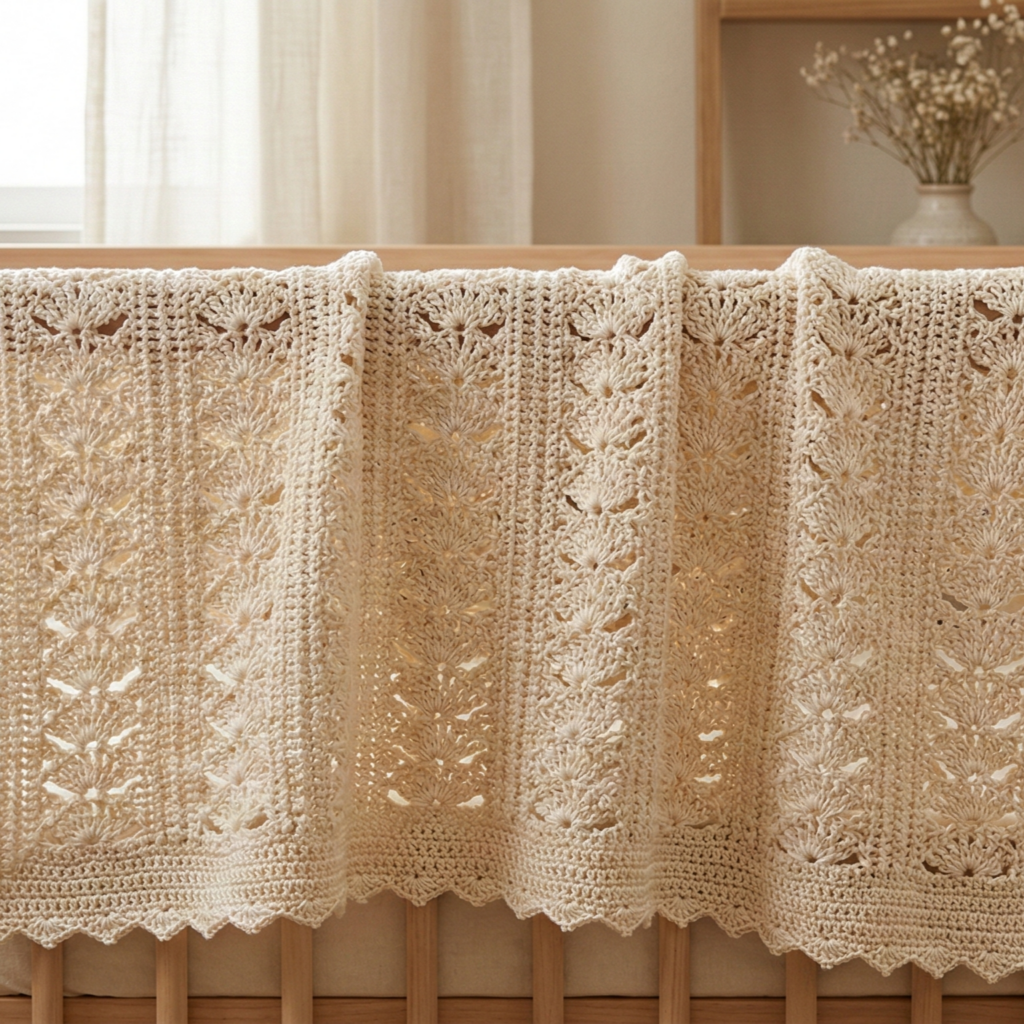
An elegant lace blanket with heirloom vibes — ideal for special gifts or family keepsakes.
Skill level: advanced intermediate (lace charts and blocking required)
Finished size (sample): 30″ × 36″ (receiving)
Yarn & hook: fingering or sport-weight yarn (cotton/bamboo or superwash wool blend), ~900–1,200 yd; 3.0–3.5 mm hook
Stitch palette
lace shells, picot, V-stitch, chains, treble dc depending on chosen lace chart.
Materials
- Fine yarn (fingering/sport), ~900–1,200 yd; blocking wires optional; tapestry needle.
Construction overview
Worked in a repeating lace chart pattern, likely starting from center out or from bottom up. Lace needs careful blocking to open up motifs.
Step-by-step
- Choose or chart a lace repeat
- Heirloom blankets often use a repeat of 12–24 sts and 8–12 rows. Decide pattern and make a 4″ swatch to confirm gauge. Example: if the lace chart repeat is 12 sts and you want 30″ width, compute stitches per inch and multiply to know how many repeats to cast on.
- Foundation chain
- Chain enough to accommodate whole repeats + edge stitches. Example: repeats × 12 + 6 edge stitches.
- Work lace following chart
- Follow chart row-by-row. Use stitch markers to mark repeats and row counts. Work until blanket reaches desired length.
- Edging
- Finish with a lace scallop border that complements the body pattern: ch4, picot, sc or large shell rounds to echo motifs.
- Blocking
- For an heirloom lace piece, wet block with pins or blocking wires to open lace; allow to dry fully and use blocking wires to keep straight edges. This step transforms lace from “scrunched” to breathable and open.
Variations
- Use soft baby-blend yarn in antique cream for heirloom effect.
- Add a narrow satin ribbon threaded through a row to make it more gift-suitable.
Care
- Superwash yarns: machine-wash gentle; otherwise hand-wash and dry flat.
5. Crochet Rickrack Rainbow Baby Blanket Pattern
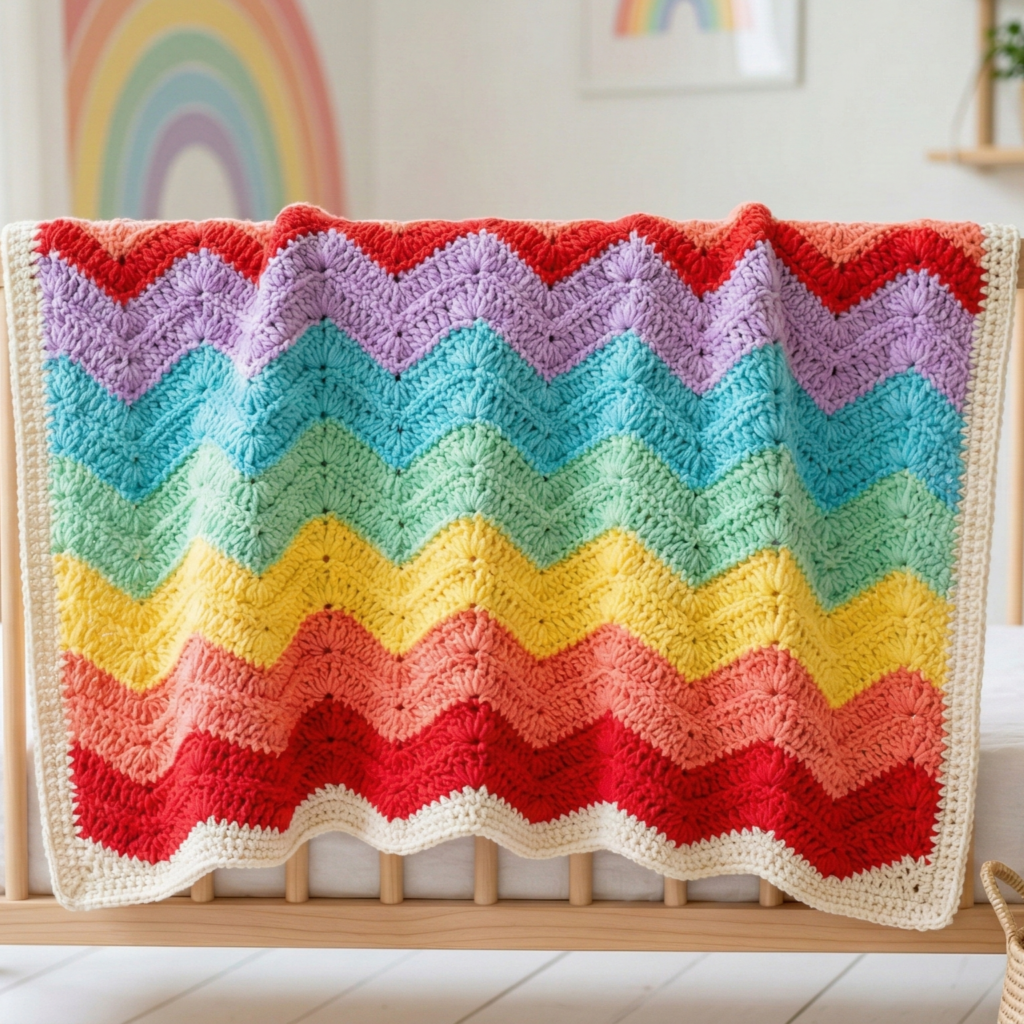
Fun rickrack texture — repeated zig-zag rows create a cozy, squishy surface that babies love to touch.
Skill level: confident beginner → intermediate
Finished size (sample): 30″ × 36″
Yarn & hook: DK or worsted soft yarn, ~900–1,200 yd; 4.5–5.5 mm hook depending on yarn
Stitch palette
rickrack technique is usually made with alternating front post and back post stitches or with short shell clusters staggered for zig-zag.
Materials
- Rainbow or multiple color skeins, ~900–1,200 yd; 4.5–5.5 mm hook, tapestry needle.
Construction overview
Worked in rows with a repeating rickrack motif that produces ridges and troughs. Color changes can emphasize the zig-zag.
Step-by-step
- Swatch & foundation
- Make a 4″ swatch of your chosen zig-zag method. Many rickrack patterns require multiples of 6 or 12 — read the pattern. Compute foundation chain accordingly using the gauge math example.
- Foundation chain
- Chain a multiple that matches rickrack repeat plus extra edge stitches. Example chain multiple of 12 + 2 for edges.
- Rickrack row pattern (sample)
- Row 1: sc across base foundation.
- Row 2 (rickrack start): skip 1, (5 dc shell in next), skip1, sc in next; rep across — the shell formation alternates to form peaks.
- Row 3: sc across to anchor shells.
- Row 4: offset shells to create zig-zag: sc, skip 1, 5 dc in next, sc — pattern will produce the rickrack movement. Repeat rows 2–4 for height.
- Color work
- Change color every 4 rows or each repeat for rainbow effect. Carry color up the side or weave in ends as you go for neatness.
- Edging
- Finish with 2–3 rounds of sc and a scalloped shell to tame the rickrack edge.
- Finishing
- Weave ends and block lightly to even the waves.
Variations
- Use a neutral body and a bright rickrack border.
- Make a monochrome textured blanket for subtlety.
Care
Machine wash on gentle depending on yarn used; check label.
6. Crochet One Skein Baby Blanket Pattern
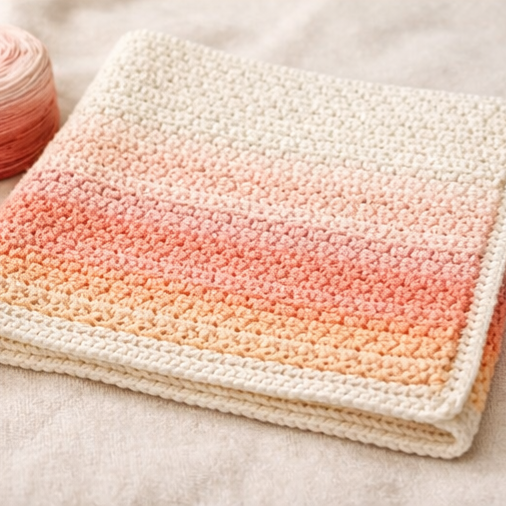
A tiny blanket that uses exactly one skein (great for gifts or stash-busting single skeins — usually smaller size). This pattern shows how to make a stroller-sized blanket from one larger skein or a cake of gradient yarn.
Skill level: beginner friendly
Finished size (sample): 20″ × 30″ (for 1 skein of 400–450 yd DK)
Yarn & hook: 1 skein of DK weight gradient yarn (400–450 yd), 4.0 mm hook
Stitch palette
simple repeat stitch that uses yarn efficiently: moss stitch (linen stitch) or v-stitch for drape.
Materials
- 1 skein DK (~400–450 yd), 4.0 mm hook.
Construction overview
Work a compact pattern (like moss stitch) that produces a dense, warm fabric from a single skein. This is perfect for gradient cakes where color shift is part of the design.
Step-by-step
- Decide width & swatch
- Make a 4″ swatch in moss stitch (sc, ch1, skip1) and measure stitches/inch. Compute how many stitches you can get from yarn — lighter stitch uses less yarn but creates a smaller blanket.
- Foundation chain
- Chain an appropriate number for your skein. Example: if gauge = 5 stitches = 1″ and you want 20″ width → 5 × 20 = 100 stitches. Chain 101 (or foundation chain method).
- Moss stitch pattern
- Row1: sc in 2nd ch from hook, ch1, skip 1 ch, sc in next to end. Turn.
- Row2: ch2 (does not count as st), sc in the ch1 space from previous row, ch1, sc in next ch1 space; repeat. Continue until length ~30″ or until you approach the skein end — stop ~6–8″ earlier to leave yarn for border rounds.
- Border
- 2 rounds sc all around using remaining yarn. If yarn runs out, use a coordinating scrap for final round.
- Finishing
- Weave ends. Small blanket ready to gift.
Tips
- Use a gradient skein and let color transitions be the design feature.
- To be absolutely sure it fits one skein, measure yarn left periodically — weigh the skein or use yardage counter if you have one.
7. Crochet Squared Easy Baby Blanket Pattern
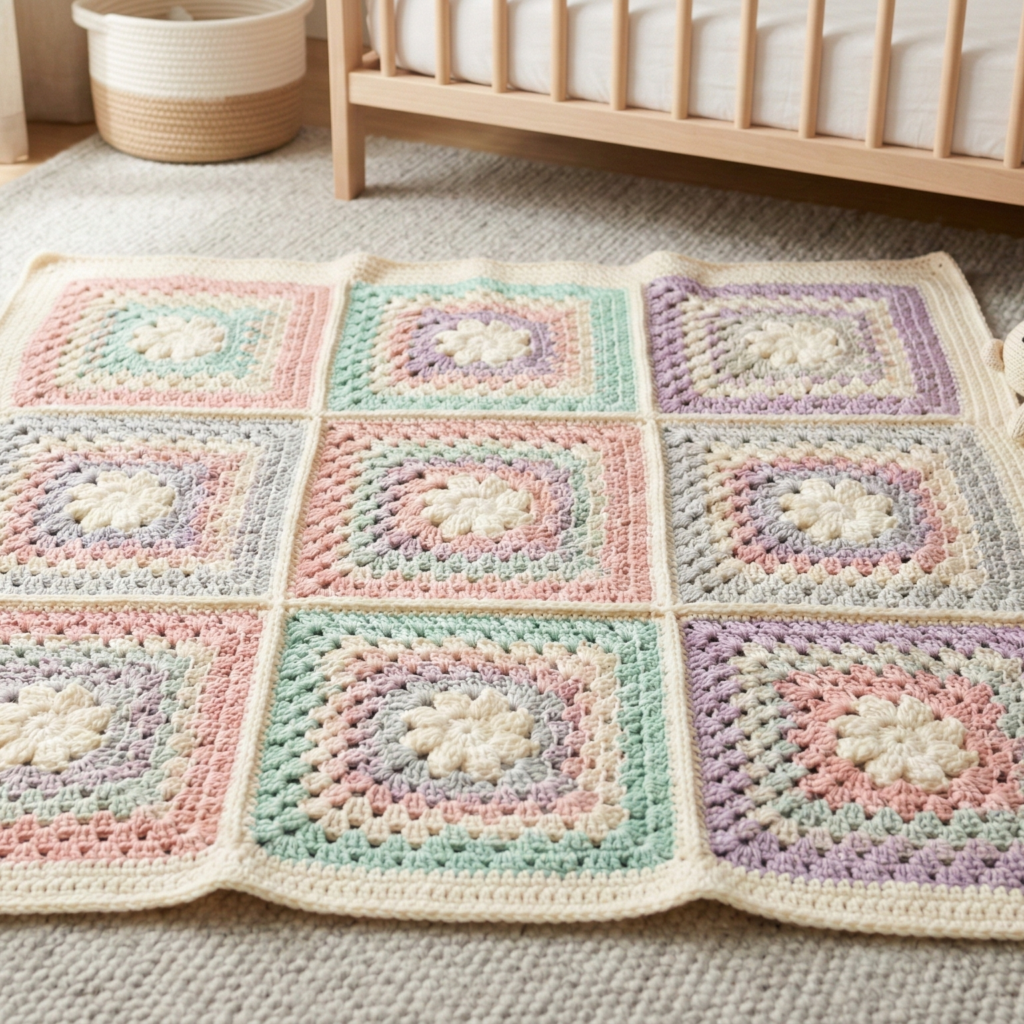
A modern square-motif blanket assembled into a larger square — modular, easy to customize, and great for beginners who like working small then joining.
Skill level: confident beginner
Finished size (sample): 36″ × 36″ (use 9 squares at 12″ each or adjust)
Yarn & hook: DK cotton or acrylic, ~1,000–1,400 yd depending on square size and join; 4.0 mm hook
Stitch palette
granny square variants, moss squares, or textured bobble squares — pick one motif and repeat.
Materials
- DK yarn, ~1,000–1,400 yd (depending on square dimensions and number), 4.0 mm hook.
Construction overview
Make identical squares (e.g., 12″ squares), block, then join with mattress stitch or join-as-you-go to form a larger blanket. Add a neat border to unify the look.
Step-by-step
- Choose square motif
- Options: classic granny square (center flower), textured bobble square, linen-moss square. For a baby blanket, choose soft stitches (avoid too many bobbles if newborn).
- Make measurements & count squares
- If you want 36″ × 36″ and a square is 12″: 36 ÷ 12 = 3 → you need 3 × 3 grid = 9 squares. If your square gauge differs, adjust counts accordingly.
- Work squares
- Follow chosen square pattern and make 9 squares. Block all squares to uniform size.
- Joining
- Join squares using join-as-you-go or mattress stitch for invisible seams. Start joining rows and then join rows together.
- Border
- Work 2–4 rounds sc or shell around entire joined blanket. A single contrasting round unifies the squares.
- Finishing
- Weave in ends, block final blanket.
Variations
- Make a throw by using smaller squares (9″) and a grid with more pieces (e.g., 16 squares).
- Alternate colors per square for a patchwork look.
Care
Machine wash/dry per yarn label — cotton and acrylic are easiest.
conclusion
You now have seven complete baby blanket patterns that cover seasons and styles: lightweight cotton throws, classic shell stitch, summery stripes, heirloom lace, a playful rickrack rainbow, a one-skein quick blanket, and a modular squared blanket perfect for gifting. Each pattern includes materials, stitch choices, sizing strategies, and finishing tips so you can craft safe, washable, and beautiful blankets for babies.